Last update February 5, 2026
Japanese Food - Nattō -


Nattō
[nah-ttoh]
なっとう, 納豆
Fermented Soybean
If you thought of trying Nattō and bought the product at the supermarket, only to eventually and unfortunately be unable to eat it, I won’t blame you. At least you’ve tried, and I’d appreciate the courage. Due to its almost offensive odour and the annoying microthreads that form from the beans and stick to your mouth like invisible fine spider threads, even some Japanese people would dislike it. Is it rotten, corrupted, or perished? You may say. Well, technically, it’s fermented, and fermentation is different from degeneration. It’s a type of food that requires some getting used to. The most typical way to eat it is to mix it well with Shōyu and Karashi (Japanese mustard) until it literally begins to thread, and sprinkle some Negi on it. That’s it. You can spread it on Atsu Atsu (steaming hot) Gohan, you can use it as an omelette filling to cook Nattō Omuretsu, or wrap it with a Gyōza skin for a nice Nattō Gyōza.
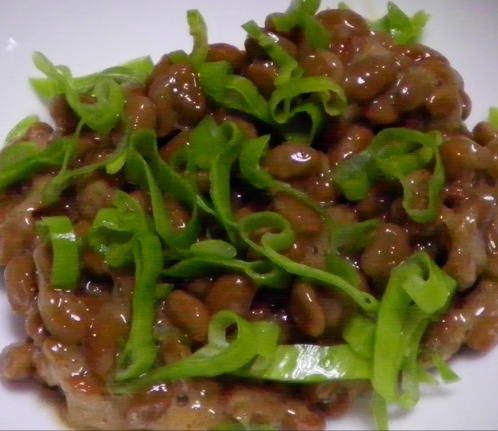
Nattō with Negi and Shōyu.
|
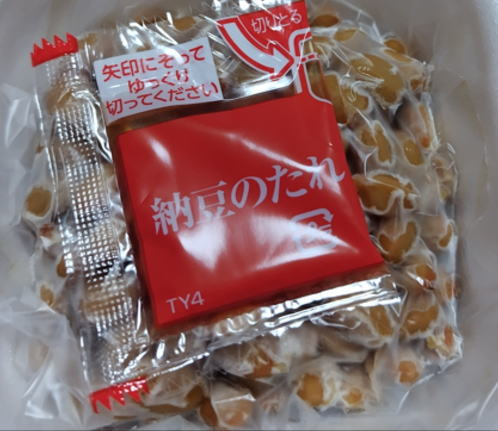
Nattō product packed with Tare (sauce).
|
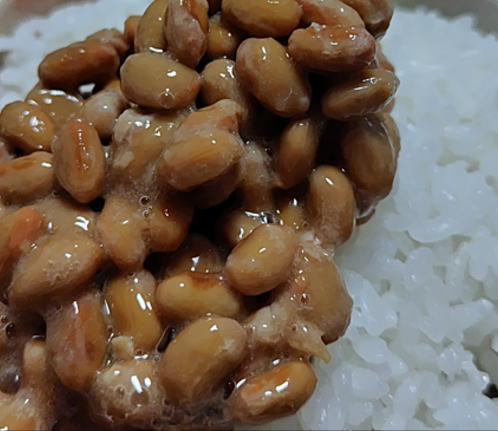
Nattō placed on Gohan.
|
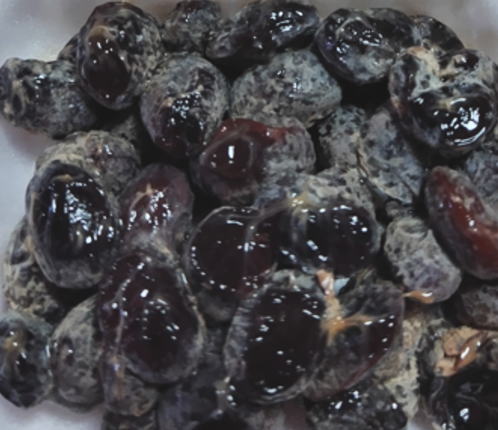
Nattō of Kuro Mame (black soybeans).
|
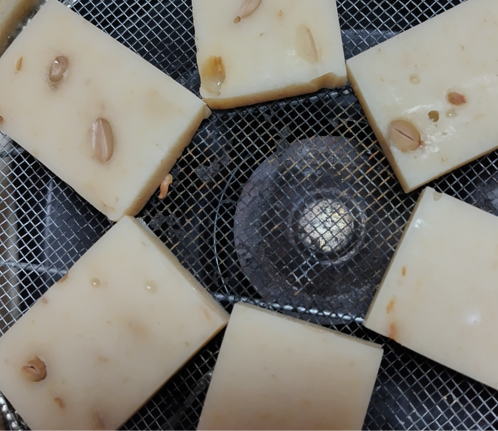
Nattō-mochi or Mochi kneaded with Natto inside.
|
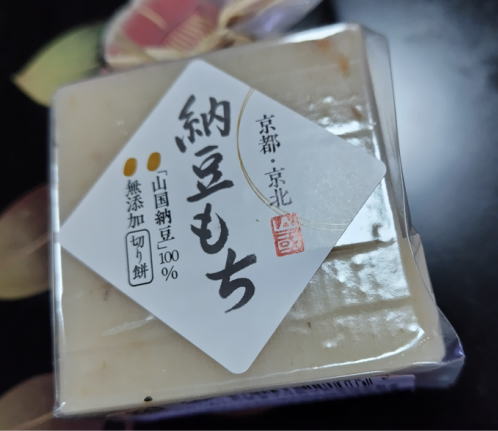
Nattō-mochi product, specialty in North Kyoto.
|
Nattō with Negi and Shōyu.
Nattō product packed with Tare (sauce).
Nattō placed on Gohan.
Nattō of Kuro Mame (black soybeans).
Nattō-mochi or Mochi kneaded with Natto inside.
Nattō-mochi product, specialty in North Kyoto.
|
|