Last update October 15, 2025
Japanese Food - Okara -


Okara
[oh-kah-rah]
おから
Soybean Pulp
It can be a traditional sustainable way to enjoy a food material to its last fibre. Broken down to the prefix “O” to express politeness or affection and “Kara” meaning “empty” or “husk or chaff”, the word “Okara” refers to a soybean pulp remaining after producing Tōfu and Tōnyū (soy milk). Usually boiled or sautéed with finely cut ingredients such as carrot, Abura Age, and Konnyaku, sometimes mixed with broth, Katsuo Bushi or Niboshi (dried small fish) powder, and sprinkled with Negi. It’s seasoned sweet or salty, which differs depending on the household or region. Thanks to the enhanced awareness of its healthy properties, it’s used to cook various items such as salad, bread, and cookies. It’s also metaphorically dubbed “U No Hana”, a kind of Deutzia crenata flower, for its whitish colour.
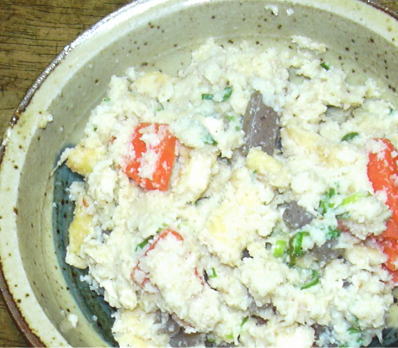
Okara home-cooked with various ingredients.
|
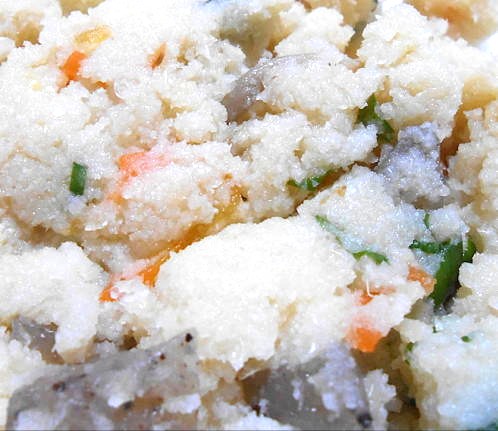
Okara product available at the supermarket.
|
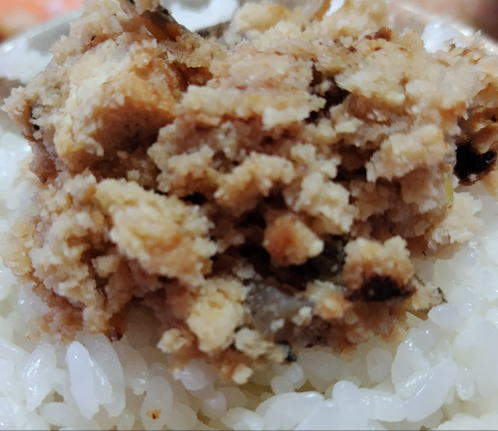
Sautéed Okara placed on Gohan.
|
Okara home-cooked with various ingredients.
Okara product available at the supermarket.
Sautéed Okara placed on Gohan.
|
|